A nation that fails to protect its sphere of interests will inevitably be dominated by others.
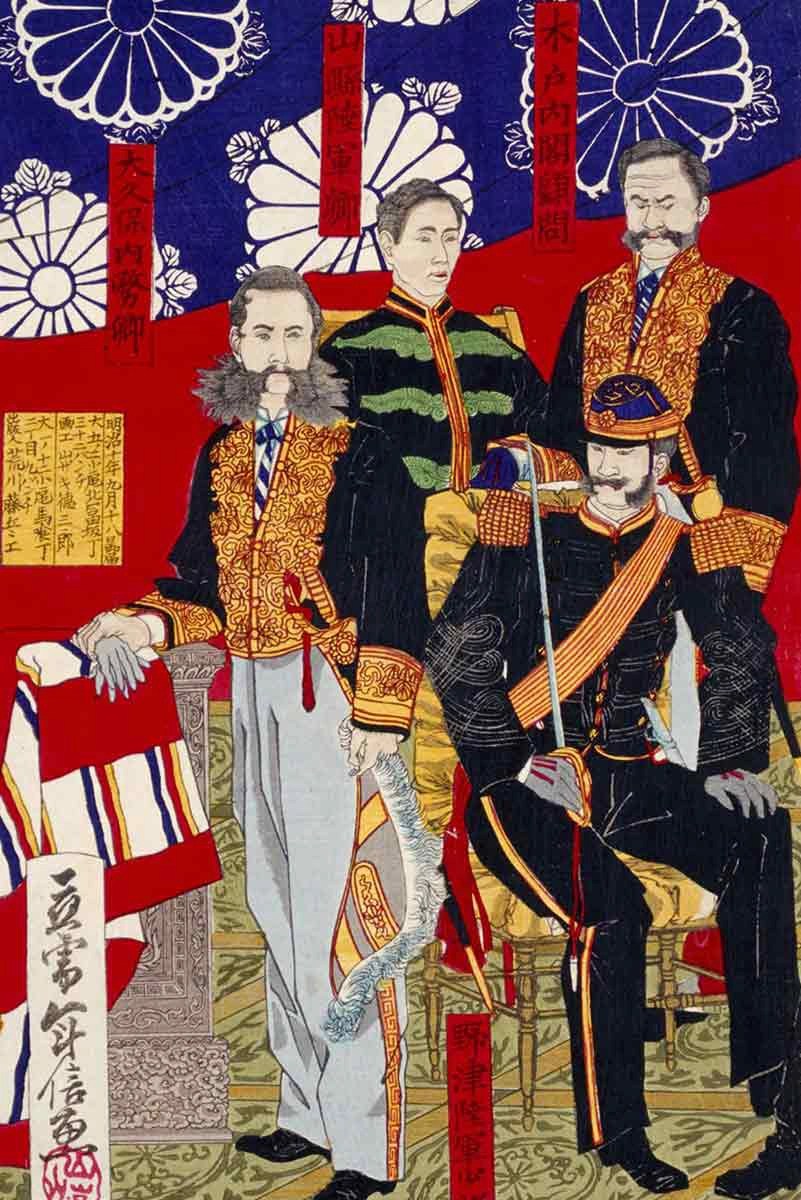
Fukuzawa Yukichi (1835-1901)
New History?
History, as Nietzsche intuited, does not move in a straight line. It does not advance toward a moral end nor toward guaranteed progress but instead tends to cyclically reproduce the same underlying structures: fear of decline, willpower, and competition for survival. The idea of the eternal return should not be understood as the identical repetition of events, but rather as the recurrence of the deeper logics that govern human action, and particularly the behaviour of great powers. From this perspective, the Japanese invasion of Manchuria in 1931 and the strategic interest of the United States in Greenland in the twenty-first century, made explicit during the Trump presidency, appear as historically distant yet structurally analogous moments.
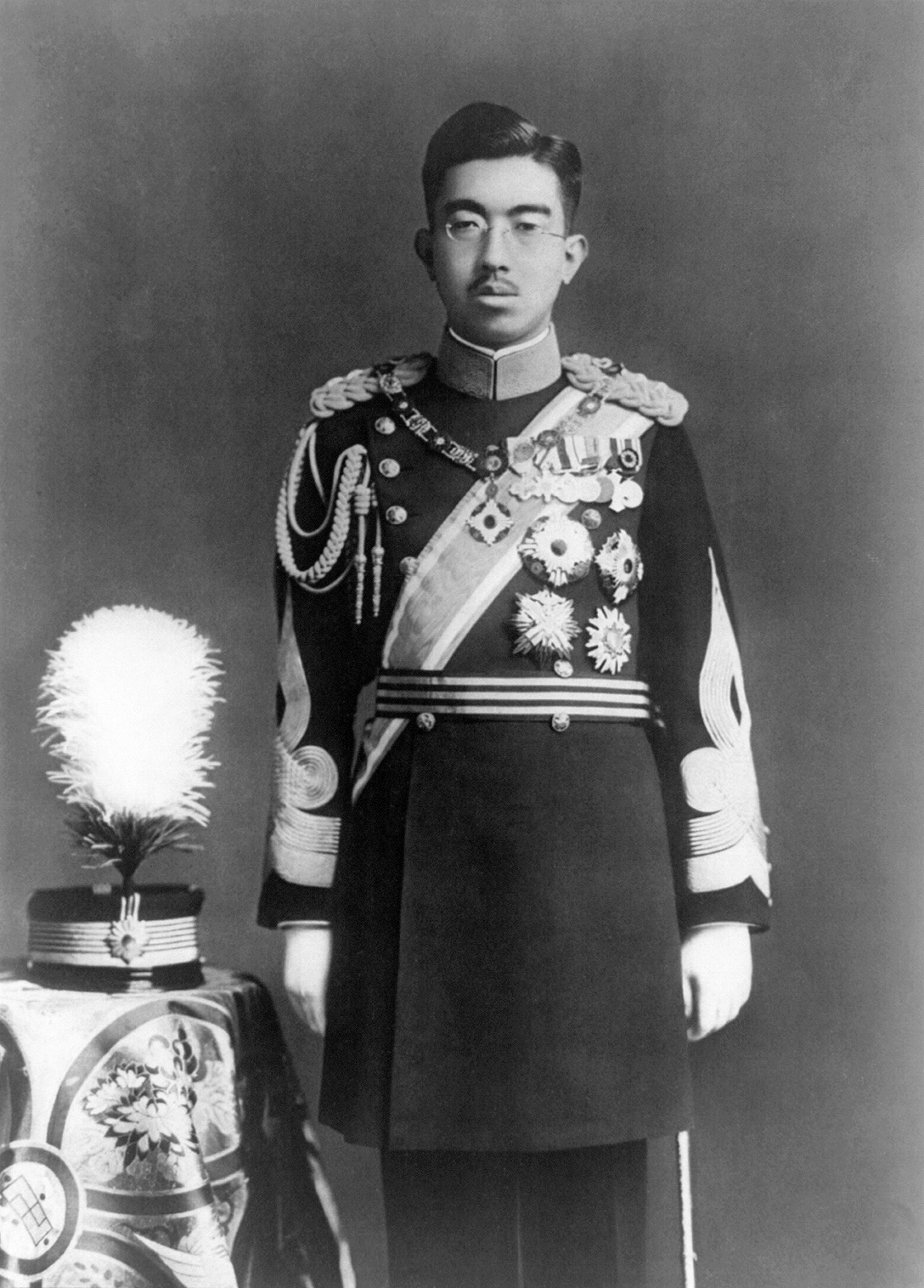
In 1931, Imperial Japan occupied Manchuria by exploiting the Mukden Incident as a pretext for war. Formally, Tokyo justified the action as necessary for the defence of its economic interests and regional security. Substantively, it was an act of imperial expansion made possible by the weakness of the Chinese state, the ineffectiveness of the League of Nations, and the belief that the international system was now governed by the law of the strongest. Manchuria was a peripheral region only in appearance: rich in natural resources, crucial as a strategic buffer against the Soviet Union, and essential to guaranteeing Japan’s economic autonomy and military depth. In the perception of Japanese elites, inaction would have meant exposing the country to domination by others.
It is here that the thought of Fukuzawa Yukichi assumes an almost prophetic significance. The leading theorist of Japanese modernisation had insisted on the need to strengthen the state to avoid subordination to Western powers. Yet Manchuria also reveals the ambiguity of this logic: the defence of one’s sphere of interests can easily turn into an expansionist spiral that ultimately destabilises the international order and, paradoxically, accelerates the downfall of those who pursue it.
The Artic
If we shift our focus to the contemporary Arctic, the case of Greenland presents significant similarities. American interest in the island did not originate with Donald Trump, but under his presidency, it became explicit, stripped of multilateral rhetoric and openly realist. The seemingly grotesque proposal to “purchase” Greenland is less important than the logic underlying it. In a context shaped by climate change, the opening of Arctic Sea routes, and growing competition with Russia and China, Greenland has emerged as a strategic node of primary importance. It is an advanced military platform, a territory rich in critical resources, and a key point of control for the future balance of power in the Arctic.
Like Manchuria in the 1930s, Greenland is a geographical periphery that becomes a strategic centre. The main difference lies in the means: today, the direct use of force is delegitimised, while competition manifests itself through diplomatic pressure, economic agreements, indirect military presence, and security narratives. Yet the underlying logic remains unchanged. In an anarchic international system, those who fail to secure their strategic margins risk being subjected to them.
Nietzsche helps us read this parallel beyond moral judgment. The will to power does not disappear; it changes form, adapts to the norms of its time, but continues to operate. History does not return as a simple copy of the past, but as a reconfiguration of the same fundamental impulse: the pursuit of security and status in a world perceived as inherently competitive. Manchuria and Greenland, despite their profound differences in context and modality, both embody this recurring pattern.
Conclusion
Fukuzawa’s statement, often cited as a justification of hard realism, in fact contains an implicit warning. Protecting one’s sphere of interests is a necessity for any state that seeks to survive. But when protection turns into permanent expansion, the system reacts. Japan in Manchuria not only defended its interests but also destabilised East Asia and isolated itself diplomatically, laying the groundwork for the catastrophe of total war. The United States, in its attempt to freeze the Arctic as an exclusive strategic space, likewise risks transforming it into the next arena of systemic competition.
The Nietzschean lesson, then, is not that history teaches a definitive truth, but that humanity continues to move according to the same fundamental fears: decline, and loss of status. Manchuria and Greenland are not the same event, but they are analogous. If the international order remains without a superior authority capable of guaranteeing collective security, Fukuzawa will continue to be right. And if great powers seek security through domination, the eternal return will continue to manifest itself in new forms.
 gc
gc 
Leave a comment